
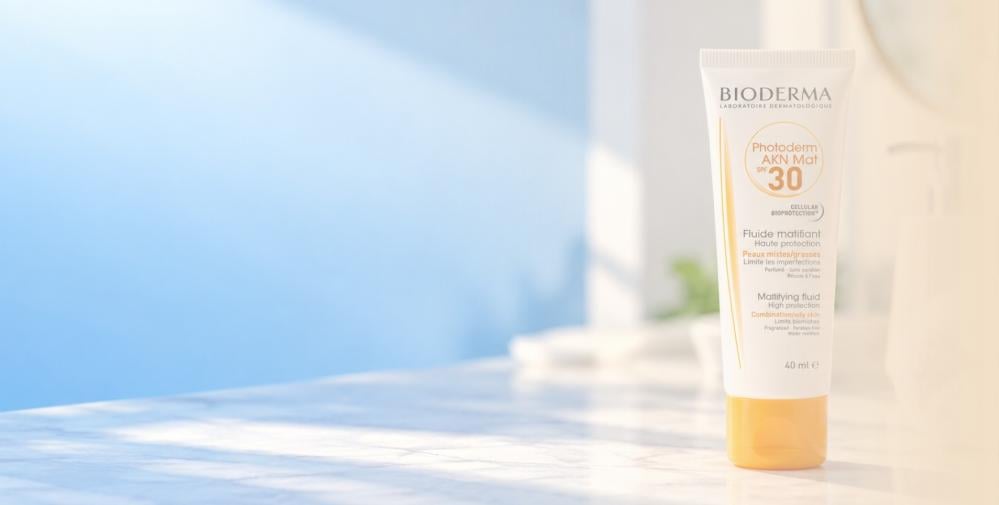
The most expensive sunscreen or one with the highest SPF may not be the best for your skin. The right choice combines sun protection with a formula that suits your skin's daily needs, whether it's oily, dry, or sensitive. You'll need to compare product specifications before buying, taking into account children's needs and how to use it to maintain the required protection. You can order products from [website/store name - if available]. Ghaya Pharmacy Online .
In this guide, you will learn how to choose the best sunscreen according to your skin type, and the most important specifications that will help you compare the products available online. Ghaya Pharmacy: The best choice for your daily needs.
What is the best sunscreen according to your skin's needs?
Choosing a sunscreen depends on your skin type and the result you are looking for. The following table outlines the most important specifications you can focus on before buying:
skin needs
What should you look for in a sunscreen?
Oily and acne-prone skin
A light, non-greasy formula, designed to be suitable for skin prone to clogged pores.
combination skin
A formula that provides protection without leaving an unpleasant greasy residue.
dry skin
A protective cream containing moisturizing ingredients that help reduce dryness
sensitive skin
Formula suitable for sensitive skin, with attention to ingredients that may cause irritation.
Remember that these specifications help you narrow down your options, but they do not replace checking the SPF, UVA and UVB protection, and recommended usage instructions.
How to choose the best sunscreen?
Choosing the right sunscreen depends on several criteria, not just the high SPF; therefore, review the following points before purchasing the product to ensure its suitability for your skin and usage patterns:
- SPF protection factor: Choose a sunscreen with an SPF of 30 or higher; this number mainly indicates the level of protection against sunburn associated with UVB rays.
- Broad Spectrum Protection: Look for the phrase Broad Spectrum or something that indicates protection against UVA and UVB rays, to cover both types of ultraviolet radiation.
- Water resistance: If you swim or sweat a lot, choose a water-resistant protector, and pay attention to the time specified on the package, which is usually 40 or 80 minutes while swimming or sweating.
- Skin type: Choose a formula that suits your skin's needs; oily skin may prefer a light texture, while dry skin needs a formula to reduce dryness, taking into account ingredients that may irritate sensitive skin.
- Purpose of use: Make sure the product is suitable for the area you will be using it on, such as the face or body, and follow the package instructions regarding quantity, timing, and reapplication.
Sunscreen does not provide complete protection from ultraviolet rays; therefore, support its use by seeking shade and wearing protective clothing, especially when exposed to the sun for extended periods.
Best sunscreen according to skin type
Choosing the best sunscreen depends on your skin's needs and how well the product's formula suits it, so check the sunscreen's specifications before buying and browse different options. Skin care products and choose the type that provides the required protection with a comfortable texture for daily use.
The best sunscreen for oily and acne-prone skin
Oily skin needs a light sunscreen that doesn't increase shine, and it's preferable to choose a product labeled as non-comedogenic, especially if the skin is prone to acne.
Among the options you can review Rilastil Acnestil Sunscreen Cream for Oily Skin SPF 50+ 40ml Specifically formulated for oily and acne-prone skin, with a light and non-greasy formula.
Best sunscreen for combination skin
Combination skin needs a sunscreen that provides broad-spectrum protection in a comfortable formula, without increasing shine in oily areas or clogging pores. Therefore, a non-oily, water-based sunscreen, such as Azden Tinted Water Sunscreen 50ml, may be suitable because it is quickly absorbed and does not clog pores.
Best sunscreen for dry skin
Dry skin needs a sunscreen that provides protection from UV rays and helps maintain its moisture, so you can choose Pure Beauty Sunscreen Cream ; it provides protection from UVA and UVB rays, and contains glycerin which helps to moisturize the skin and reduce dryness. It is also water and sweat resistant, making it a worthwhile option to consider when looking for a sunscreen that combines protection and moisturizing.
Best sunscreen for sensitive skin
Sensitive skin needs a sunscreen that provides high protection while maintaining hydration and reducing the likelihood of irritation; therefore, it is considered Bioderma Photoderm Invisible Clear Spray 150ml An option worth considering; it provides broad-spectrum protection against UVA and UVB rays, and helps to moisturize the skin for up to 8 hours thanks to its formula containing Vitamin E.
Tinted sunscreen for skin prone to pigmentation
If your skin is prone to pigmentation and you're looking for a sunscreen that combines protection and evens out skin tone, you can try Bioderma Tinted Sunscreen No. 2 Tinted sunscreen containing iron oxides helps provide additional protection from visible light in addition to protection from ultraviolet rays, which is an important feature when caring for skin prone to dark spots. The product is available at Ghaya Pharmacy in other shades.
Best sunscreen for children
Children's skin needs effective protection from the sun's rays, and Bioderma Photoderm Kids Spray is a suitable option for protecting young children's skin among the products available. Essential for mothers and babies ; its formula is specially designed for their sensitive skin, and its Sun Barrier technology helps strengthen the skin's natural barrier, providing up to 8 hours of hydration. It is also fragrance-free and resistant to water, sweat, sand, and friction.
The correct way to use sunscreen
Even the best sunscreen may not provide the expected protection if used in insufficient quantities or not reapplied regularly, so follow these guidelines to get the desired benefit from it:
- Apply sunscreen before sun exposure: Use it about 15 minutes before going out, or as per the instructions on the package.
- Apply enough: Cover all exposed areas, including the face, ears, and neck, and don't forget the hands and feet when they are exposed.
- Reapply regularly: Reapply sunscreen every two hours while outdoors, and after swimming, heavy sweating, or toweling off, following the water resistance instructions.
- Use it even on cloudy days: UV rays can reach the skin even though clouds block direct sunlight.
- Enhance protection with other means: Do not rely on sunscreen alone, but use shade, protective clothing and sunglasses when needed.
Common mistakes when choosing sunscreen
Focusing on certain specifications alone can lead to choosing a sunscreen that doesn't suit your needs, and these are some of the most common mistakes to avoid.
- Choosing based on SPF only: neglecting to check for broad-spectrum protection against UVA and UVB rays.
- Ignoring skin type: Choosing a formula that does not suit the skin's needs, such as a heavy formula that may not be comfortable for oily skin.
- Neglecting ingredients: Not paying attention to perfumes or ingredients that may cause irritation to sensitive skin.
- Confusing water resistance with permanent water resistance: Water resistance is limited to a period indicated on the packaging, and does not mean continued protection without reapplication.
- Ignore the expiry date and storage conditions: Expiry or improper storage may affect product quality.
Frequently asked questions about the best sunscreen
Is it enough to use a sunscreen with an SPF of 50?
SPF 50 offers slightly higher protection than SPF 30 against the rays associated with sunburn when used correctly, but it is important to choose a broad-spectrum sunscreen that protects against UVA and UVB rays, while adhering to the method of use and reapplication.
Does oily skin need a moisturizer with sunscreen?
Yes, oily skin may also need moisturizing, especially when using drying treatment products. To achieve this, you can look for The best facial moisturizer is a light one that doesn't clog pores, and you can also use a moisturizing sunscreen if its formula is suitable for your skin's needs.
Does sunscreen treat acne and its effects?
Sunscreen doesn't cure acne itself, but you can read more about it. Acne treatment and how to prevent its effects, as well as sunscreen helps to reduce the worsening of some pigmentation resulting from acne due to sun exposure.
Can the same sunscreen be used for the face and body?
The product can be used on both areas if its instructions allow it, but some people prefer lighter formulations for the face to suit daily use and be compatible with Makeup products .
Is mineral sunscreen always better for sensitive skin?
Not necessarily; mineral sunscreens containing zinc oxide or titanium dioxide may suit some people with sensitive skin, but suitability depends on the overall formula and skin response, not just the type of filters.
Protecting your skin starts with choosing a product that suits its needs.
Don't let a high SPF alone decide your choice; the best sunscreen is the one that combines adequate protection with compatibility for your skin, so you can use it regularly as part of your routine. Daily personal care products , along with a commitment to sun protection, give your skin a better chance to maintain its health and reduce long-term damage from UV exposure.
Give your skin the protection it deserves; browse Sunscreens from Ghaya Pharmacy, choose the product that best suits your skin type and daily needs.