
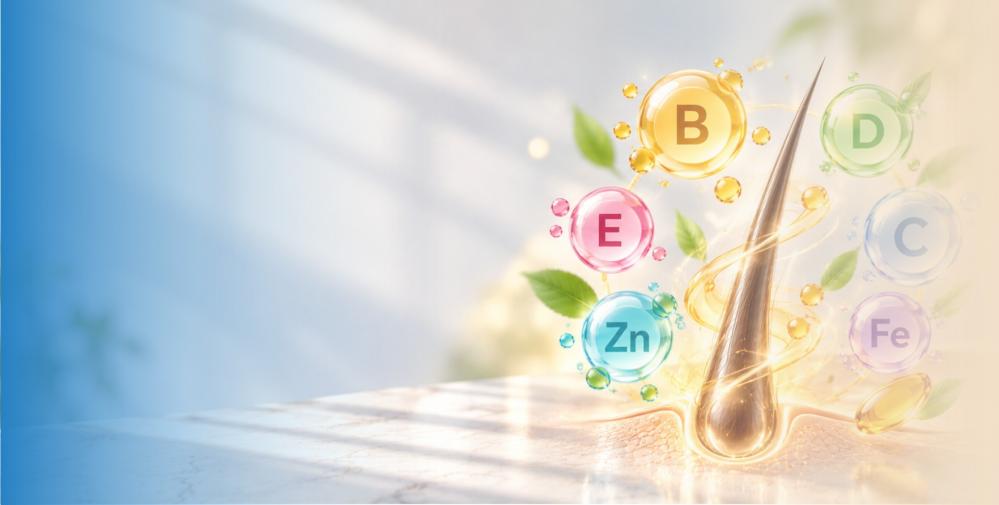
Have you noticed your hair falling out more than usual? Or has it become weaker and thinner despite taking care of it and using the right care products? To learn more about The causes and details of hair loss : The cause may be related to a deficiency of certain nutrients, but this is not the only possibility. Hormonal changes, genetics, stress, and some health problems may also affect hair growth.
In this article from Ghaya Pharmacy, you will learn about the best vitamins and minerals for hair, the most important supplements you can look for in the pharmacy, and how to safely choose the most suitable ones for your needs. Online pharmacy in Saudi Arabia to provide everything you need.
Top 5 vitamins for treating hair loss and supporting hair growth
When searching for the best vitamins to treat hair loss, you will find that some of the items commonly marketed in this field are indeed vitamins, while others are considered essential minerals for the health of the body and hair. These are the most important elements worth knowing before choosing any supplement:
1. Biotin (Vitamin B7)
It is considered one of the most popular ingredients found in hair and nail supplements, and it is one of the B vitamins that the body needs to perform its normal functions, due to its role in metabolic processes that help the body benefit from nutrients.
Biotin deficiency may cause hair loss and brittle nails, but it is uncommon, and there is no strong evidence that supplementation improves hair growth in people who are not deficient in it.
Where is biotin found?
- Well-cooked eggs.
- Nuts and seeds.
- Fish and meat.
- Legumes and some whole grains.
When do you need it? When there is a proven deficiency or a medical recommendation to supplement it, not just because you notice hair loss. It is important to tell the doctor about using biotin before conducting tests, as high doses of it can affect the results of some laboratory tests, including some thyroid and heart tests.
2. Vitamin D
It plays important roles in the body, and its relationship to some types of hair loss has been studied. Its level deserves to be assessed when there are risk factors for its deficiency or when the doctor sees that the symptoms warrant it, and he may recommend it if tests show a deficiency, with the dosage and duration determined according to the health condition.
Dietary sources of vitamin D
- Oily fish, such as salmon and sardines.
- yolk.
- Foods fortified with vitamin D.
High doses are not recommended for the purpose of accelerating hair growth, as increased vitamin D levels may lead to high blood calcium and other health complications.
3. Vitamin C
Its importance is not limited to supporting immunity, but it also helps the body form collagen, and improves the absorption of iron found in plant sources. The importance of this vitamin is particularly evident when malnutrition is linked to a deficiency of some elements that the body needs to maintain its normal functions.
The most important sources of Vitamin C
- Oranges and lemons.
- Strawberries and guavas.
- Sweet peppers.
- Broccoli and some other vegetables.
In many cases, the body's needs can be met through a balanced diet, and taking high doses of it is not considered an independent treatment for hair loss.
4. Vitamin B12
It helps in the formation of red blood cells and the maintenance of nervous system functions. A deficiency may lead to anemia and other symptoms, and may be accompanied by general poor health that affects the condition of the hair. Evaluating this vitamin may be important for people who follow a strict vegetarian diet, have problems absorbing nutrients, or have other factors that increase the likelihood of a deficiency.
Sources of Vitamin B12
- Meat and fish.
- Eggs and dairy products.
- Foods fortified with vitamin B12.
If a deficiency is confirmed, a doctor can determine whether tablets or other forms of supplementation are appropriate. However, taking it without a deficiency does not guarantee a reduction in hair loss or an increase in hair density.
5. Folic acid
It helps the body produce DNA and form and divide cells normally, and its importance increases in certain cases, such as pregnancy or a proven nutritional deficiency, but there is not enough evidence that folic acid supplements alone treat hair loss in people who do not have a deficiency.
Dietary sources of folic acid:
- Leafy green vegetables.
- Lentils, beans, and legumes.
- Some fruits.
- Fortified grains.
It should be noted that a pregnant woman's folic acid needs differ from those of others, and when tracking What are the symptoms of pregnancy and body changes? The doctor's recommendations regarding pregnancy should be followed, and hair supplements should not be used as a substitute for prescribed pregnancy supplements.
What is the most effective vitamin for hair? And is there one type that suits everyone?
The search for the strongest hair vitamin as a quick fix for hair loss is common, but there is no single vitamin that can be considered the strongest for everyone. The right choice depends on the cause of the problem, not just the desire to increase hair density. For example:
- If the hair loss is related to iron deficiency, treating the deficiency may help improve the condition.
- If tests show a vitamin D deficiency, the doctor may recommend supplementation.
- If there is a biotin deficiency, supplements may be beneficial depending on medical evaluation.
- If the hair loss is hereditary, it may require customized treatment, and vitamins alone are usually not enough.
Therefore, start by identifying the cause, especially if the hair loss is continuous or accompanied by the appearance of noticeable gaps.
Best hair vitamins from the pharmacy: How to choose the right supplement?
Available Hair vitamin supplements from the pharmacy come in various forms, including tablets, capsules, and chewable candies. Their compositions vary depending on the product and manufacturer. Some supplements contain only one element, while others combine a range of vitamins and minerals. Before purchasing, review the following criteria:
- Product composition: Check the vitamins and minerals it contains, instead of relying solely on the phrase "for hair".
- Dosage: Compare the amounts in the daily serving with your appropriate needs, and avoid combining similar products without consulting a specialist.
- Your health needs: You may need a specific ingredient, rather than a multi-ingredient formula.
- Drug interactions: Tell your doctor or pharmacist about the medications and supplements you are using.
- Your health condition: Recommendations vary during pregnancy and breastfeeding, and in cases of anemia, kidney disease and some food absorption disorders.
Examples of products whose composition can be reviewed when searching in the hair supplement category include Pantogar, Forcapil, and Perfectil, from Ghaya Pharmacy. However, mentioning these names does not mean that they are equal in ingredients or suitable for everyone, so the current composition of the product and its suitability to your needs should be checked before purchasing it.
The best types of iron supplements for hair: When do you need them?
Iron is linked to hair health because of its role in hemoglobin formation and oxygen transport, and its deficiency may be associated with hair loss, especially in some women who suffer from heavy menstrual bleeding, blood loss, or nutrient malabsorption.
However, not all hair loss is caused by iron deficiency, and taking iron supplements unnecessarily can be harmful.
What are the most popular types of iron supplements?
Iron supplements vary in the type of compound and the actual amount of iron each product provides; some common types include:
- Ferrous sulfate: One of the iron compounds used in the treatment of iron deficiency.
- Ferrous fumarate: Another compound used in nutritional and therapeutic supplements.
- Ferrous gluconate: One of the available options for iron replacement, depending on the appropriate composition and dosage.
Choosing the best type of iron pills for hair depends on the degree of deficiency, the digestive system's tolerance to the supplement, the required dosage, and the doctor's recommendation. Supplements may cause nausea, constipation, or abdominal pain, and excessive doses may lead to serious poisoning.
Therefore, do not start using them just because you notice hair loss, and do not combine more than one product containing iron without consulting a specialist.
Which vitamin prevents hair loss and increases its density?
No single supplement can guarantee to prevent hair loss or thicken hair for everyone, but addressing nutritional deficiencies may help restore the natural conditions for hair growth when a deficiency is the cause. Therefore, it is beneficial to consider nutrients within a comprehensive plan that includes:
- Obtain sufficient protein from sources such as eggs, legumes, fish and meat.
- Consume vegetables, fruits, and sources of iron, zinc, and vitamins as part of a varied diet.
- Avoid extreme diets that reduce calories or exclude entire food groups unnecessarily.
- Treat any nutritional deficiency that is confirmed by medical evaluation.
- Diagnosing other causes of hair loss, such as genetic factors, thyroid disorders, or certain hormonal changes.
Remember that hair improvement takes time; it may take several months for a noticeable change to appear after the cause is treated, and the response varies depending on the type of hair loss and the treatment used.
How do you know if hair loss might be related to vitamin deficiencies?
The appearance of certain signs may lead you to consider the possibility of a nutritional deficiency, but these alone are not enough to confirm the diagnosis. Some signs that deserve attention include:
- A noticeable increase in hair loss compared to normal.
- Hair weakness or easy breakage.
- Fatigue, exhaustion, or paleness, especially when anemia is suspected.
- Following a restricted diet for a long period of time.
- There are problems with nutrient absorption.
- Hair loss can occur after significant weight loss or a drastic dietary change.
The doctor may order tests based on symptoms and medical history, such as a complete blood count, iron stores, vitamin D level, or vitamin B12 level when needed. Not everyone needs to undergo all of these tests, as the doctor determines them according to the case.
If hair loss is sudden or severe, or if bald patches or symptoms appear on the scalp, do not postpone medical evaluation while waiting for the results of supplements.
Tips for healthy hair, in addition to vitamins
Even when supplements are appropriate, hair care begins with integrated daily habits and providing Suitable personal care products , and you can support your hair health by:
- Eat a balanced diet that includes protein, iron, zinc and vitamins.
- Avoid pulling your hair too hard or styling it roughly.
- Reducing excessive use of heat and chemical treatments.
- Choosing the right shampoo and conditioner for your hair and scalp type by browsing Available hair care products .
- Avoid supplements of unknown origin or products that promise guaranteed and rapid results.
- Consult a doctor if you have persistent hair loss instead of trying multiple products without a diagnosis.
Most frequently asked questions
Does biotin lengthen hair and increase its density?
Biotin helps the body perform vital functions and may be beneficial when there is a deficiency, but there is no evidence to prove that taking it in additional doses increases hair length or density in people who are not deficient.
Are iron supplements helpful for hair loss?
Treating iron deficiency may help improve associated hair loss, but it does not treat all causes of hair loss.
What are the best hair vitamins from the pharmacy for women?
The choice depends on the nutritional and health status. Some women may need to supplement with iron, vitamin D, or other nutrients, while others do not need additional supplements. The needs of pregnant and breastfeeding women differ, so a specialist should be consulted before use.
Is it possible to take more than one type of hair vitamins together?
Combining several supplements may lead to exceeding the appropriate doses of some elements, especially iron, zinc, and vitamin A.
Choose the vitamin your hair actually needs.
Now that we've discussed the best vitamins for hair, and that treatment begins with understanding your body's needs, not randomly trying supplements, familiarize yourself with the ingredients of the hair vitamins available at Ghaya Pharmacy. Review the product details carefully, and consult your doctor or pharmacist to choose the right supplement. When you address the underlying cause, your hair care routine becomes more informed and safer. A pharmacy with instant delivery so your products reach you easily.