
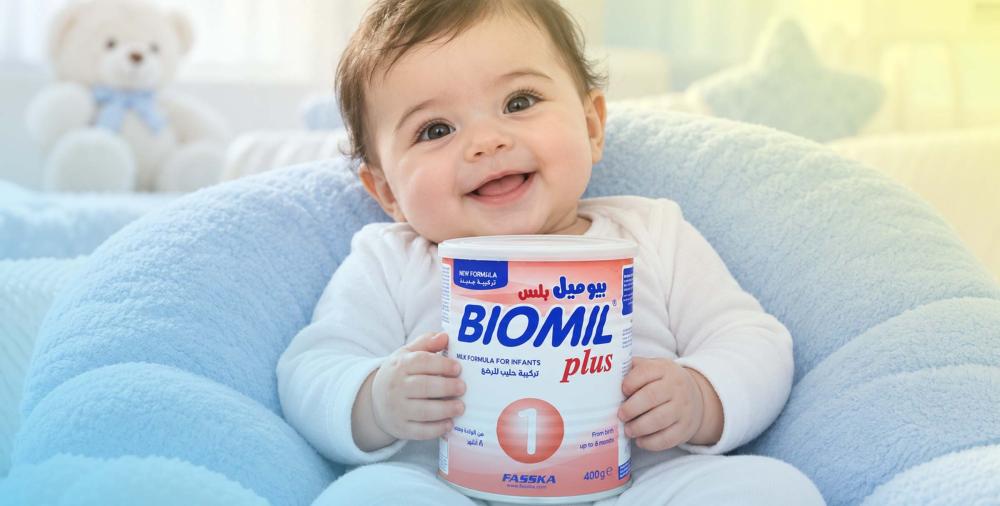
What is the best formula for infants? There is no single formula that suits all babies. The choice of formula depends on the baby's age, nutritional needs, and how well they tolerate the formula. Options may differ if symptoms such as reflux or persistent digestive problems are present, while some cases require specialized formulas under medical supervision. Therefore, the choice should not be based solely on brand name or price, but rather on what best suits the baby's condition and the doctor's instructions.
If you are in the process of preparing to welcome your baby, you can also learn about the symptoms of pregnancy , the most important early signs and when they appear, and then learn about the baby's nutritional needs after birth.
This guide is provided by Ghaya Pharmacy Online , we explain to you the difference between types of baby milk, how to choose the right formula, and when you need to consult a pediatrician.
Is there a best infant formula that suits all babies?
There is no single best infant formula that suits all babies. Standard infant formula is a common choice for babies who don't require specialized formula, while other formulas are designed for specific needs. Therefore, a high price or a well-known brand doesn't necessarily mean the product is right for your baby, especially if they have a condition that requires medical evaluation.
Best milk for newborn babies
For newborns, the choice usually starts with standard infant formula designed for birth, making sure of the age indicated on the package and the appropriate preparation method; anti-reflux, lactose-free, or hypoallergenic formulas are not recommended simply because of a minor symptom without knowing its cause.
Currently available options include customized formulas from birth, such as Novalac 1 Infant Formula, Biomil Plus Infant Formula Bebelac is a formula for infants ; the recommended age, package size, and ingredients can be compared before purchasing.
Types of baby milk
The compositions of infant formula vary according to the infant's needs; there is a standard formula for normal use, and another specifically for certain cases that require medical evaluation or guidance, the most prominent of which are:
Standard infant formula
Standard formula milk is the usual choice for infants who do not need a specialized formula, and is intended for a specific age group as indicated on the packaging.
Anti-reflux milk
It is thicker than usual formulas and is used as part of a plan to deal with reflux when needed. It is not recommended to start it on your own; medical guidelines recommend its use under the supervision of a specialist, and its preparation method may differ from regular milk.
Because your child’s health is our priority at Ghaya Pharmacy, we offer you S26 Gold AR formula to be your safe choice after consulting a doctor; milk with an easy-to-digest and anti-reflux formula, to give your child comfortable satiety and healthy growth without discomfort.
Comfort Milk
Comfort formula typically contains partially hydrolyzed cow's milk proteins and is recommended for babies with certain digestive issues.
If your child needs a formula that's gentler on their stomach without compromising on the nutrition they need at this stage, you'll find it at Ghaya Pharmacy. Total Comfort 1 (0-6 months) and Total Comfort 2 (6-12 months) milks , so you can choose what suits his age and needs.
lactose-free milk
Designed for babies with lactose intolerance, a condition distinct from cow's milk protein allergy. Because lactose intolerance is uncommon in infants, this formula should not be chosen simply because of gas or bloating without a medical evaluation.
hypoallergenic milk
It is used in cases of cow's milk allergy that require a suitable formula, and its selection is under medical supervision. Comfort or partially hydrolyzed protein formulations are not a substitute for therapeutic formulations intended for confirmed allergies.
Soy milk
Its formula is based on soy protein instead of cow's milk, and it is not recommended to use it for the infant on your own. The NHS explains that it should be used under medical supervision, and usually from the age of 6 months in its guidelines.
The difference between types of baby milk
Understanding the difference between types of baby milk helps in choosing the formula according to the child's needs, and avoiding the use of a specialized formula unnecessarily, as shown in the following table:
The main difference between these types is not the trade name, but the milk composition and the purpose of its use; therefore, specialized formulations should not be treated as interchangeable options simply because of similar symptoms.
What is the best milk for infants with gas?
Gas is common in infants and doesn't necessarily mean the current formula is unsuitable. Before changing formula, review feeding, burping, and preparation methods, and pay attention to whether symptoms persist or if other signs appear.
If your doctor deems the Comfort formula suitable for relieving gas and colic, you can compare the available options at a pharmacy based on age and ingredients, some of which are... Total Comfort 1 Infant Milk 0-6 months For the first stage.
What is the best milk for infants with colic?
Colic does not automatically mean a baby needs a change of formula, and Comfort formulas are not a proven treatment for colic. Therefore, if a baby experiences frequent or severe colic, it is best to assess the underlying cause rather than trying multiple formulas in quick succession.
If, after consulting a doctor, it becomes clear that changing the formula is the best solution to relieve your baby's frequent colic episodes in their first year, we at Ghaya Pharmacy offer you [the option/service]. Aptamil Comfort 2 milk ; with its gentle formula that reduces colic and discomfort.
What is the best milk for infants with reflux?
When there is frequent reflux, the treatment begins with an assessment of the feeding method and accompanying symptoms. The doctor may need to rule out cow's milk allergy before determining the appropriate formula type. In some cases, he may recommend an anti-reflux formula or an intensive formula, depending on the child's condition.
It is available in the highest Bebelac AR infant milk is designed for infants who need an anti-reflux formula. It is preferable to use this type after a medical evaluation, because anti-reflux formulas require a different method of preparation and precautions.
What is the best milk for infants to gain weight?
There is no single milk that can be considered the best infant milk for weight gain for all babies, and changing the formula for the purpose of weight gain without knowing the reason for slow growth is not recommended.
If your child is not gaining the expected weight, it may be related to:
- Not getting enough nutrition.
- Difficulty breastfeeding or feeding.
- A problem with digestion or absorption.
- A health condition that needs evaluation.
Therefore, identifying the cause of poor weight gain is more important than searching for a formula specifically for weight gain; the doctor may determine whether the child needs a change in milk, feeding method, or a different growth monitoring approach.
When the doctor confirms that your child (after the age of one) only needs complete nutritional support to promote his growth, we at Ghaya Pharmacy provide you with S-26 Gold 3 milk ; with its advanced formula rich in nutrients and balanced calories that support healthy and safe weight gain and ensure your child’s steady development.
How do I choose baby milk?
Choosing milk shouldn't be based on brand name, but rather on your baby's needs. When searching for the best infant formula, focus on criteria that will help you narrow down your options instead of comparing products randomly.
- Child's age: Choose the appropriate formula for the age group shown on the package.
- His nutritional needs: Determine whether he needs a regular formula or if there is a special nutritional need.
- His health condition: Do not choose an anti-reflux, lactose-free, or hypoallergenic formula without a clear reason or expert guidance.
- Ingredients and nutritional information: Compare the data on the package and check if it is suitable for the child's age.
- Preparation method: Make sure you can adhere to the preparation instructions and proportions specified by the company.
- Product safety: Check the expiry date and the condition of the packaging before use.
If the child is experiencing persistent symptoms such as reflux, allergies, or frequent digestive problems, it is best to identify the cause first before choosing a specialized formula.
Is changing the type of milk beneficial for the baby?
Not every symptom means the current formula is unsuitable, so it's not advisable to change formulas frequently without knowing the reason. If you're looking for the best infant formula for your baby, the most important thing is to first understand their needs and whether there's a genuine reason to change formulas.
If a child is experiencing a persistent problem, the cause may be related to:
- Disagreement with the current structure.
- A problem with digestion or nutrition.
- A specialized formula is needed.
- A health condition that needs evaluation.
Therefore, if the baby does not improve after adjusting the feeding method or the symptoms persist, it is best to consult a pediatrician before switching to another type of milk.
The correct way to prepare baby formula
Choosing the right milk is not enough; the way the feed is prepared also affects the baby's safety and nutrition; follow the package instructions carefully, especially the ratio of water to milk powder:
- Wash your hands thoroughly and clean the area where the baby bottle was prepared.
- Use a clean, sterilized bottle and nipple according to the feeding instructions.
- Use safe and suitable water to prepare the milk.
- First, measure the amount of water, then add the amount of milk powder specified in the attached measuring cup.
- Do not increase or decrease the amount of powder beyond the percentage shown on the package.
- Do not use a microwave to heat the baby bottle, as this may cause uneven temperature and the appearance of very hot areas.
- Test the temperature of the milk before giving it to the baby.
Some children, such as newborns, premature babies, or those with weakened immune systems, need extra precautions in preparing milk; therefore, follow the guidelines appropriate to the child's condition.
How should baby milk be stored after preparation?
After preparing the formula, be sure to use and store it correctly to maintain its safety, first and foremost adhering to the product instructions:
- Use the prepared milk within two hours of preparation if it has been left at room temperature.
- If the baby starts breastfeeding, discard the remaining milk one hour after the feeding begins.
- If the baby does not start feeding within two hours, it can be refrigerated immediately and used within 24 hours according to safety guidelines.
- Store the opened milk carton in a cool, dry place, and close it tightly.
- Do not put milk powder in the refrigerator unless the product instructions recommend it.
- Discard the milk after the Use By date shown on the carton.
When does a child need a pediatrician?
Not every problem during breastfeeding warrants a change of formula, but some symptoms require medical evaluation rather than trying different formulas. Consult your pediatrician if you notice:
- Refusal to breastfeed or clear and frequent difficulty during breastfeeding.
- Frequent or severe vomiting.
- Not gaining weight as expected.
- The presence of blood in the stool.
- Symptoms that may indicate a milk allergy.
- Severe and persistent pain or discomfort during breastfeeding.
- Frequent reflux accompanied by noticeable discomfort or impaired growth.
- Persistent diarrhea or signs of dehydration.
- The problem persists despite modifying the breastfeeding method and following appropriate guidelines.
The UK's National Health Service (NHS) advises seeking medical advice if there are difficulties with breastfeeding or refusal to breastfeed, frequent vomiting, or obvious signs of the baby's discomfort.
Frequently asked questions about baby formula
What is the best milk for infants?
There is no single type that is best for all infants; the choice depends on the child's age, health needs, and how suitable the formula is for them.
What is the best milk for newborn babies?
Typically, the choice of standard formula milk is started from birth, while specialized formulas require a clear reason and medical guidance when needed.
What is the best milk for infants with gas?
Gas alone does not necessarily mean a baby needs a specific formula. If symptoms persist, a doctor can assess whether a formula like Comfort is appropriate.
What is the best milk for infants with reflux?
If reflux requires intervention, the doctor may recommend an anti-reflux formula after evaluating the child and ruling out other causes. It is not recommended to use it without consultation.
Is there any milk that helps increase a baby's weight?
There is no single formula that guarantees weight gain for all children, and poor weight gain requires identifying the cause and assessing the amount of nutrition and health condition before determining the appropriate solution.
Compare the milk options and choose what suits your baby.
Your child's growth journey begins with proper nutrition, and choosing the right milk depends entirely on their body type and health condition; browse the best options now. Mother and child supplies are available at Ghaya Pharmacy. Compare the different formulations and sizes according to age group, and consult a pediatrician before choosing any formulation for a specific condition.
Important Note: In our commitment at Ghaya Pharmacy to providing informative and reliable content, we would like to remind you that the information and products mentioned here are for guidance and comparison only. Since every child is a special case, diagnosis and decision-making regarding therapeutic nutrition should always be under the supervision of your specialist doctor.